
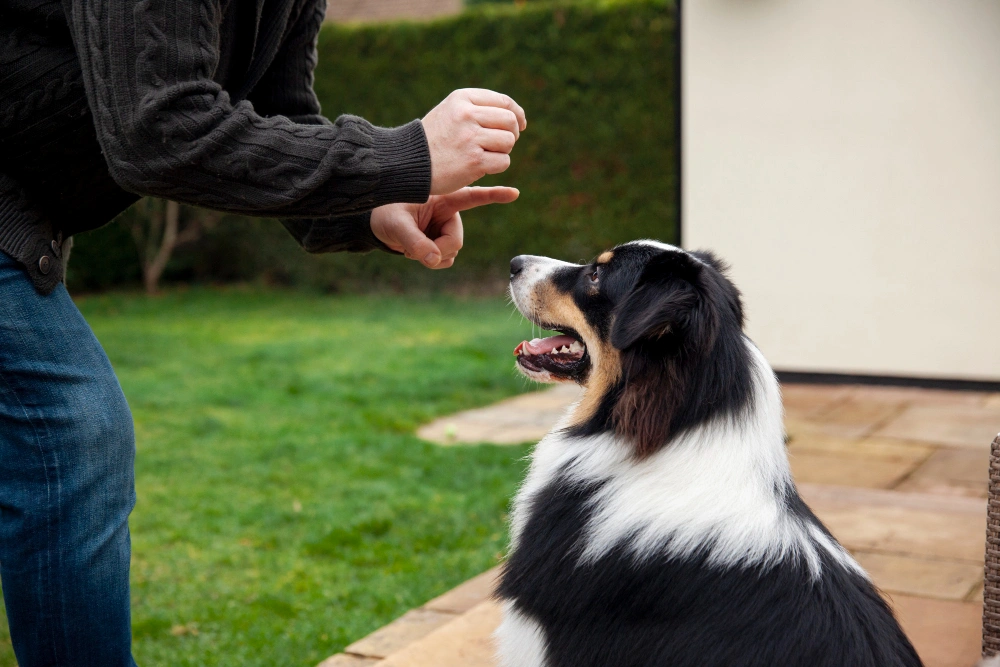
Dealing with excessive dog barking can be frustrating for pet owners and neighbors alike. Whether your dog barks at every passerby, goes into a frenzy in their kennel, or seemingly barks at nothing, understanding why dogs bark and how to address it properly is essential for a peaceful household. The good news is that with patience, consistency, and the right approach, you can teach your dog when barking is appropriate and when it is time to be quiet.
Learning how to stop a dog from barking is not about silencing your pet completely. Barking is a natural form of canine communication. Instead, it is about managing excessive barking and teaching your dog alternative behaviors that work for both of you. This comprehensive guide will walk you through proven, humane methods that address the root causes of barking while strengthening your bond with your furry companion.
Understanding Why Dogs Bark
Before you can effectively stop unwanted barking, it is crucial to understand the reasons behind this behavior. Dogs bark for various reasons, and each type requires a different approach. Alert barking occurs when your dog notices something unusual in their environment, whether it is a stranger approaching or an unfamiliar sound. This protective instinct is deeply ingrained in many breeds.
Attention-seeking barking happens when your dog wants something from you food, playtime, or simply your acknowledgment. Anxiety or fear-based barking often manifests when dogs feel threatened or uncomfortable in certain situations. Boredom and loneliness also trigger excessive vocalization, especially in dogs left alone for extended periods without adequate mental stimulation.
Territorial barking emerges when dogs perceive a threat to their space, which is particularly common when people or animals pass by your property. Excitement barking occurs during play or when greeting people, while frustration barking happens when dogs can’t access something they want. Identifying which type of barking your dog exhibits is the first step toward finding an effective solution.
Method 1: Remove the Motivation
The most effective way to get a dog to stop barking is to eliminate the reason they are barking in the first place. If your dog barks at people walking past your window, close the curtains or move your dog to a quieter room. For dogs who bark at outdoor stimuli, create a designated quiet space away from windows where they can relax without constant triggers.
Managing your dog’s environment significantly reduces barking triggers. If neighborhood dogs set off your pet, consider using white noise machines or calming music to mask external sounds. For territorial barking, blocking visual access to the street or sidewalk can work wonders. Remember, the goal is not to restrict your dog’s freedom but to create a calmer environment that naturally reduces their need to bark.
Method 2: Teach the “Quiet” Command
Training your dog to understand a “quiet” command is one of the most valuable tools for controlling barking behavior. Start by allowing your dog to bark two or three times at a trigger, then approach them calmly and say “quiet” in a firm but gentle voice. The moment they stop barking, immediately reward them with a high-value treat and praise.
Consistency is absolutely critical when teaching this command. Practice daily in controlled situations where you can predict the barking trigger. Gradually increase the duration your dog must remain quiet before receiving the reward. Over time, your dog will associate the “quiet” command with stopping their vocalization and receiving positive reinforcement. This method works exceptionally well for alert barking and attention-seeking behaviors.
Method 3: Ignore Attention-Seeking Barking
One of the most challenging but effective methods is completely ignoring your dog when they bark for attention. This means no eye contact, no verbal responses, and no physical interaction whatsoever. Even negative attention like yelling “stop” can reinforce the behavior because your dog achieves their goal of getting your attention.
Turn your back on your dog and maintain this stance until they are completely quiet for at least 5-10 seconds. The moment silence occurs, immediately turn around and reward them with attention, treats, or play. This teaches your dog that quiet behavior earns attention while barking results in being ignored. Be warned barking often gets worse before it gets better as your dog tries harder to get a response. Stay strong and consistent, and you will see results.

Method 4: Provide Adequate Exercise and Mental Stimulation
A tired dog is typically a quiet dog. Many barking problems stem from pent-up energy and boredom. Ensure your dog receives appropriate physical exercise based on their breed, age, and health status. High-energy breeds may need 60-90 minutes of vigorous activity daily, while lower-energy dogs might need 30-45 minutes.
Mental stimulation is equally important and often overlooked. Puzzle toys, training sessions, scent work, and interactive games tire out your dog’s brain, reducing excess energy that might otherwise manifest as barking. Try rotating toys to keep things interesting, hiding treats around the house for your dog to find, or teaching new tricks. A mentally and physically satisfied dog is less likely to develop nuisance barking habits.
Method 5: Desensitization and Counterconditioning
For dogs who bark at specific triggers like doorbells, other dogs, or strangers, desensitization combined with counterconditioning can be remarkably effective. This process involves gradually exposing your dog to the trigger at a low intensity while creating positive associations.
Start with the trigger at a distance or volume that your dog notices but does not bark at. Immediately reward calm behavior with treats. Gradually decrease the distance or increase the intensity over multiple sessions, always staying below your dog’s barking threshold. If your dog starts barking, you have moved too quickly, go back to the previous level.
For doorbell barking, record the sound and play it at very low volume while giving treats. Slowly increase the volume over days or weeks. This method requires patience but creates lasting behavioral change by actually changing your dog’s emotional response to the trigger.
Method 6: Address Separation Anxiety
If your dog barks excessively when left alone, they may be suffering from separation anxiety. This condition requires a compassionate, systematic approach. Start by making your departures and arrivals low-key to reduce the emotional intensity around these events.
Practice leaving for very short periods, even just 30 seconds and gradually increase the duration. Leave your dog with puzzle toys stuffed with treats or long-lasting chews to create positive associations with alone time. Consider using calming aids like pheromone diffusers or anxiety wraps. In severe cases, consult with a veterinary behaviorist who may recommend behavior modification protocols or anti-anxiety medications.
Method 7: How to Get a Dog to Stop Barking in a Kennel
Kennel barking presents unique challenges but can be managed effectively. First, ensure the kennel is properly sized, comfortable, and associated with positive experiences. Never use the kennel as punishment. Make it a cozy den with comfortable bedding, safe toys, and perhaps an item with your scent.
Cover the kennel with a breathable blanket to create a cave-like atmosphere that feels more secure. Play calming music or white noise to mask triggering sounds. Tire your dog out before kennel time with exercise and mental stimulation. Practice short kennel sessions when you are home, rewarding quiet behavior. If your dog barks in the kennel, wait for a pause in the barking before acknowledging them or letting them out never release them while actively barking, as this rewards the behavior.

Method 8: Use Positive Interruption Techniques
When your dog starts barking, interrupt the behavior by redirecting their attention to something more appropriate. Make a sudden noise like shaking a can of pennies, clapping once, or using a whistle not to scare your dog, but to break their focus on the trigger. The instant they stop barking and look at you, redirect them to a different activity.
Ask them to perform a known command like “sit,” “down,” or “go to your bed.” Reward compliance immediately and enthusiastically. This teaches your dog that when they hear the interruption sound, they should disengage from barking and look to you for direction. This method works particularly well for reactive barking triggered by external stimuli.
Method 9: Consider Professional Help and Tools
Sometimes, despite your best efforts, you may need additional support. Certified dog trainers or veterinary behaviorists can assess your specific situation and create customized training plans. They can identify underlying issues you might have missed and provide hands-on guidance.
Various tools can support your training efforts when used correctly. Treat-dispensing devices can reward quiet behavior even when you are not present. Anti-bark devices that emit ultrasonic sounds when barking occurs can help some dogs, though they are not suitable for all situations. Never use shock collars or other aversive devices they can increase anxiety and create additional behavioral problems. Remember, tools should supplement training, not replace it.
Creating a Long-Term Success Plan
Successfully stopping excessive barking requires commitment to a long-term strategy. Set realistic expectations behavioral change does not happen overnight. Track your dog’s progress in a journal, noting triggers, successful interventions, and setbacks. This helps you identify patterns and adjust your approach as needed.
Consistency across all family members is essential. Everyone in your household must respond to barking the same way, using the same commands and rewards. Mixed messages confuse your dog and slow progress. Celebrate small victories along the way, and do not get discouraged by occasional regression it is a normal part of the learning process.
Frequently Asked Questions
Q: How long does it take to stop a dog from barking excessively?
The timeline varies depending on the cause of barking, your dog’s age, and training consistency. Some dogs show improvement within a few days, while others may take several weeks or months. Attention-seeking barking often improves fastest, while anxiety-based barking may require longer intervention. Consistent daily training typically shows noticeable results within 2-4 weeks.
Q: Will getting another dog help reduce barking from loneliness?
While a companion can help with loneliness, it is not a guaranteed solution and can sometimes make barking worse if both dogs bark together. Address the underlying behavioral issues first before considering adding another pet. If loneliness is the issue, increasing exercise, mental stimulation, and quality time together often proves more effective.
Q: Is it okay to use bark collars to stop dogs from barking?
Citronella spray collars may be acceptable in some situations when used correctly and temporarily, but shock collars are not recommended. They can increase anxiety, create fear, and damage your relationship with your dog. Positive reinforcement training methods are safer, more humane, and create lasting behavioral change without negative side effects.
Q: How do I get my dog to stop barking at night?
Ensure your dog has adequate exercise during the day, establish a consistent bedtime routine, and create a comfortable sleeping environment. Rule out medical issues like pain or needing bathroom breaks. A crate or bed in your bedroom can help some dogs feel more secure. White noise machines can mask sounds that trigger nighttime barking.
Q: Why does my dog bark at nothing, and how can I stop it?
Dogs have far superior hearing and smell compared to humans they are rarely barking at “nothing.” They may hear sounds you can’t detect or sense animals outside. Address this by identifying and managing the trigger (like closing windows to reduce outside noises), teaching the “quiet” command, and ensuring adequate daily exercise and mental stimulation to reduce overall alertness and reactivity.

Final Thoughts
Learning how to stop a dog from barking requires understanding, patience, and consistency. By identifying the root cause of your dog’s barking and applying appropriate training methods, you can significantly reduce excessive vocalization while maintaining your dog’s ability to communicate naturally. Remember that barking serves important purposes alerting you to dangers, expressing needs, and communicating emotions.
The key to success lies in addressing the underlying reasons for barking rather than simply trying to suppress the behavior. Whether you are dealing with kennel barking, attention-seeking barking, or anxiety-driven vocalization, the humane, positive reinforcement methods outlined in this guide will help you achieve lasting results.
Start implementing these strategies today, remain consistent, and celebrate your progress along the way. With dedication and the right approach, you and your dog can enjoy a quieter, more peaceful home while strengthening the bond you share. If you continue to struggle with excessive barking despite your best efforts, do not hesitate to seek help from a certified professional dog trainer or veterinary behaviorist.