
You are standing in the pet store aisle, staring at rows of collars and harnesses, wondering which one is actually best for your furry friend. It is a decision every dog owner faces, and honestly, the answer is not as simple as picking the cheapest option or the one with the cutest pattern.
The dog harness vs collar debate has been ongoing for years, and for good reason. Your choice directly impacts your dog’s comfort, safety, and walking behavior. Some dogs thrive with collars, while others desperately need harnesses.
In this guide, we will break down everything you need to know to make the right choice for your specific dog. No fluff, just practical advice backed by veterinary insights and real-world experience.
Understanding the Basics: Collar vs Harness
Before we dive into which is better, let’s clarify what we are comparing.
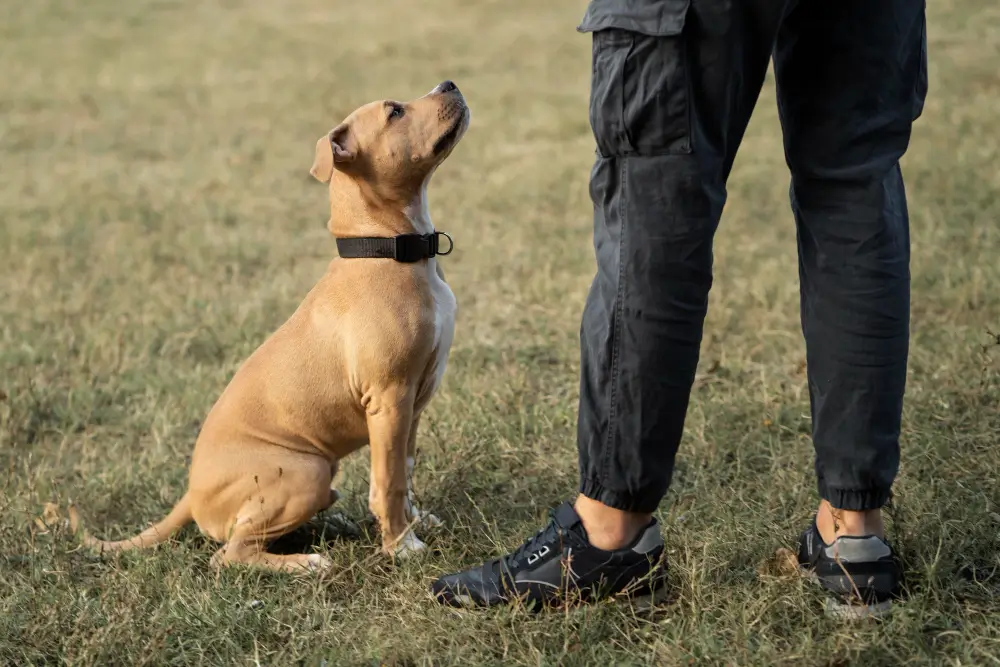
Dog Collars: A collar sits around your dog’s neck and typically holds ID tags and attaches to a leash. They are the traditional choice and come in various styles flat collars, martingale collars, and slip collars.
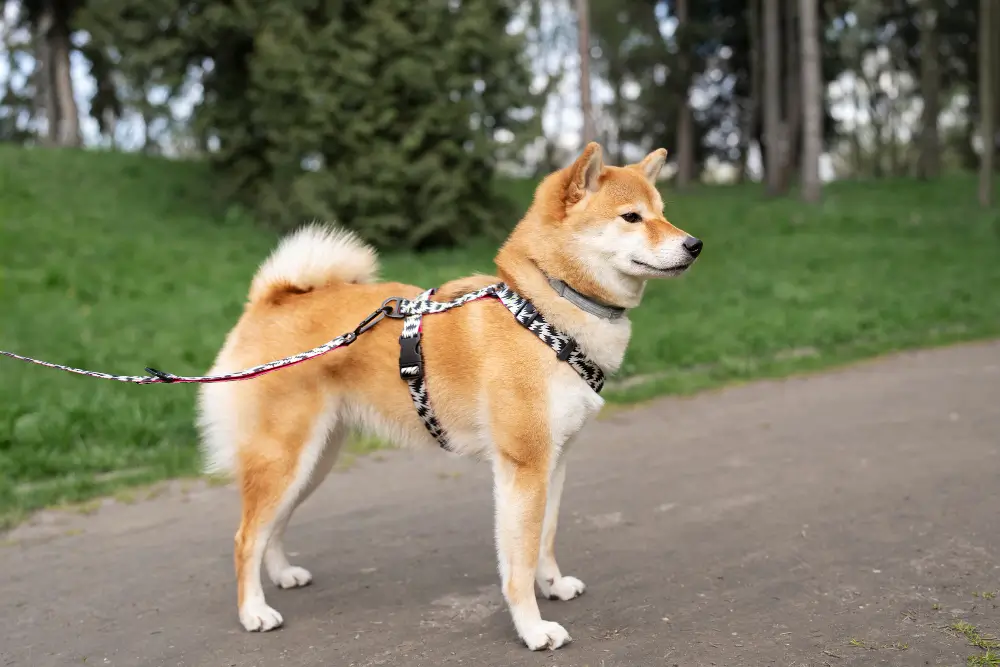
Dog Harnesses: A harness wraps around your dog’s chest and torso, distributing pressure across a larger area. The leash attaches to a ring on the back or chest, depending on the style.
Both serve the same basic purpose controlling your dog during walks but they do it very differently.
Dog Harness vs Dog Collar: The Key Differences
Pressure Distribution
This is the biggest difference and the main reason veterinarians often recommend harnesses.
Collars concentrate all pulling pressure on your dog’s neck. For dogs who pull (and let’s be honest, that is most dogs), this creates strain on the trachea, thyroid, and cervical spine.
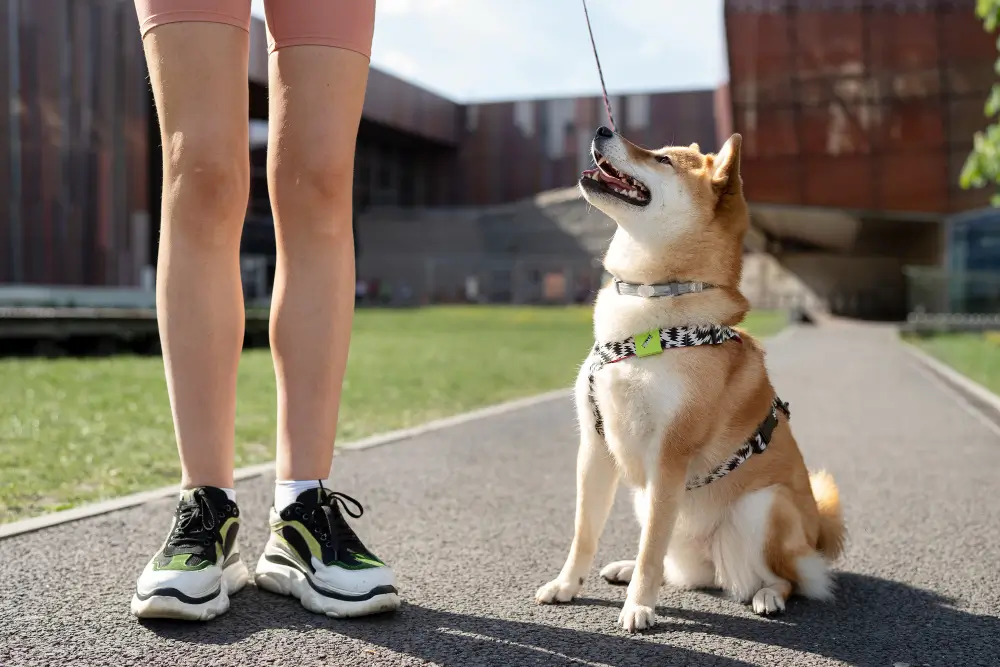
Harnesses spread pressure across the chest and shoulders. This protects sensitive neck structures and reduces injury risk, especially for chronic pullers.
Control and Training
Collars provide less control over strong pullers. Your dog can easily overpower you because they are using their entire body weight against a single point.
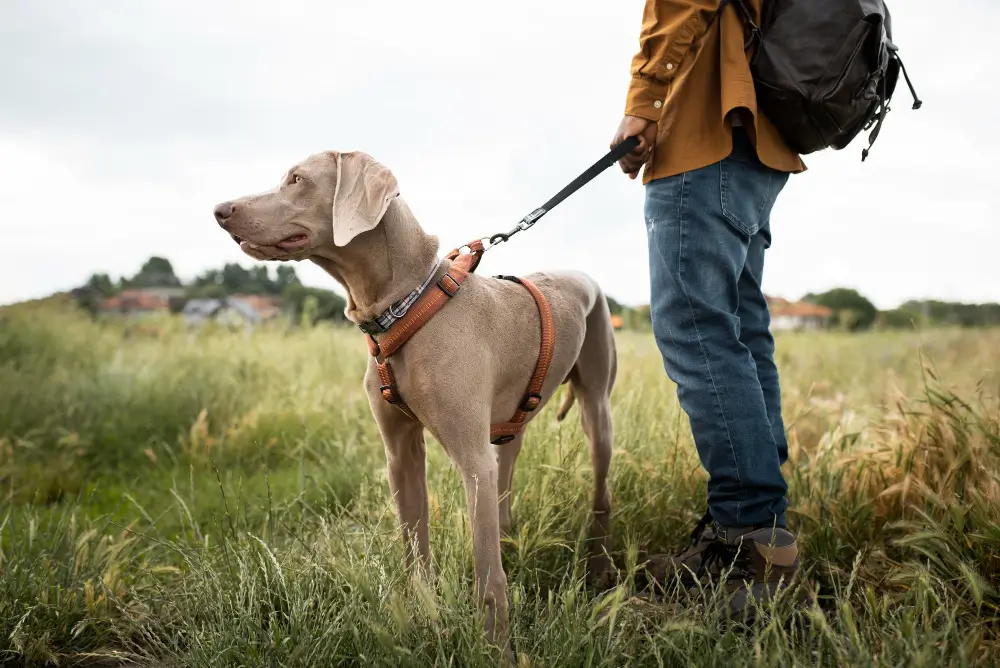
Harnesses give you better control and leverage, particularly front-clip harnesses that redirect pulling dogs to the side. This makes training walks much more manageable.
Escape Risk
Collars can slip off easily, especially on dogs with narrow heads like Greyhounds or puppies who haven’t grown into their features yet.
Harnesses are nearly escape-proof when properly fitted. Your anxious or reactive dog is far less likely to back out of a well-fitted harness.
When to Use a Dog Collar
Collars are not bad they are just not ideal for every situation. Here is when collars work well:
Well-trained dogs who walk calmly If your dog naturally walks on a loose leash without pulling, a collar is perfectly fine.
ID tag holding Every dog should wear a collar 24/7 with updated ID tags, even if you use a harness for walks.
Quick potty breaks For trained dogs who just need to step outside briefly, collars are convenient.
Small, gentle dogs Toy breeds who don’t pull and are not prone to tracheal issues can do fine with collars.
Best collar types:
- Flat buckle collars for everyday wear
- Martingale collars for narrow-headed breeds
- Breakaway collars for safety (especially for indoor wear)
When to Use a Dog Harness
Harnesses are the better choice for most dogs in most situations. Here is when they are essential:
Puppies and young dogs Puppies are learning leash manners and will pull. Protect their developing necks with a harness. Just like you did carefully choose homemade dog food recipes for their nutrition, selecting the right walking gear matters for their development.
Brachycephalic (flat-faced) breeds Bulldogs, Pugs, Boston Terriers, and similar breeds already have breathing difficulties. Neck pressure makes this worse.
Small and toy breeds Chihuahuas, Yorkshire Terriers, and Pomeranians are prone to tracheal collapse. Harnesses are non-negotiable for these breeds.
Dogs with respiratory issues Any dog with a history of coughing, gagging, or breathing problems needs a harness.
Strong pullers Large or powerful dogs who pull constantly need harnesses for your safety and theirs. This is especially important if your dog gets excited by dog toys for aggressive chewers during walks.
Dogs in training Harnesses provide better control for teaching loose-leash walking without causing discomfort.
Senior dogs Older dogs may have arthritis or weakened tracheas. Harnesses provide gentle support.
Best harness types:
- Front-clip harnesses for pullers (redirects forward motion)
- Back-clip harnesses for trained walkers
- Dual-clip harnesses for versatility
- No-pull harnesses with front attachment points
Health Considerations: What Vets Say
Veterinarians increasingly recommend harnesses over collars for walking, and the research backs this up.
Neck injuries from collars include:
- Tracheal damage and collapse
- Thyroid gland injury
- Increased eye pressure (glaucoma risk)
- Cervical spine injuries
- Laryngeal nerve damage
A study published in the Journal of Veterinary Behavior found that dogs walked on collars showed significantly more neck injuries than those walked on harnesses.
Dr. Karen Becker, a prominent veterinarian, states: “Any pressure on the front of the neck can cause damage to the thyroid, trachea, and larynx. Dogs who pull on collars are at risk for serious, even life-threatening injuries.”
This does not mean collars are dangerous for ID tag purposes just that they should not be your primary walking tool for dogs who pull.
Choosing the Right Option for Your Dog
Still not sure? Use this decision framework:
Choose a HARNESS if your dog:
- Pulls on the leash regularly
- Is a puppy or young dog
- Belongs to a small or toy breed
- Has a flat face (brachycephalic)
- Has any respiratory issues
- Is strong and difficult to control
- Is in training
- Has a history of neck injuries
A COLLAR is okay if your dog:
- Walks calmly without pulling
- Is fully trained
- Is medium-to-large with no health issues
- Never lunges or reacts on leash
Pro tip: Many experienced dog owners use both a collar for ID tags and everyday wear, plus a harness for walks. This gives you the best of both worlds.
Common Myths Debunked
Myth: Harnesses encourage pulling False. This myth comes from sled dogs wearing harnesses, but they are specifically trained to pull. A front-clip harness actually discourages pulling by redirecting your dog’s momentum.
Myth: Collars are fine if you use the right training Training helps, but even well-trained dogs occasionally pull when they see a squirrel or another dog. Why risk neck injury?
Myth: Harnesses are uncomfortable A properly fitted harness is comfortable. Dogs may resist at first simply because it is new, not because it hurts. Just like adjusting to new organic dog food brands, it takes time to adapt.
Myth: Small dogs don’t need harnesses Actually, small dogs most need harnesses due to their fragile tracheas.
Fitting Tips for Success
Whether you choose a dog collar vs harness, proper fit is crucial.
Collar fit: You should be able to fit two fingers comfortably between the collar and your dog’s neck. Too tight restricts breathing; too loose allows escape.
Harness fit:
- Adjust all straps before the first walk
- Check that you can fit two fingers under all straps
- Ensure the chest strap sits on the sternum, not the throat
- The back strap should sit behind the shoulder blades
- Watch for rubbing or chafing after walks
As your dog ages (use a dog age calculator to track their life stage), their body shape may change, requiring fit adjustments.